
Ayaka Iwabu
Love at first sight
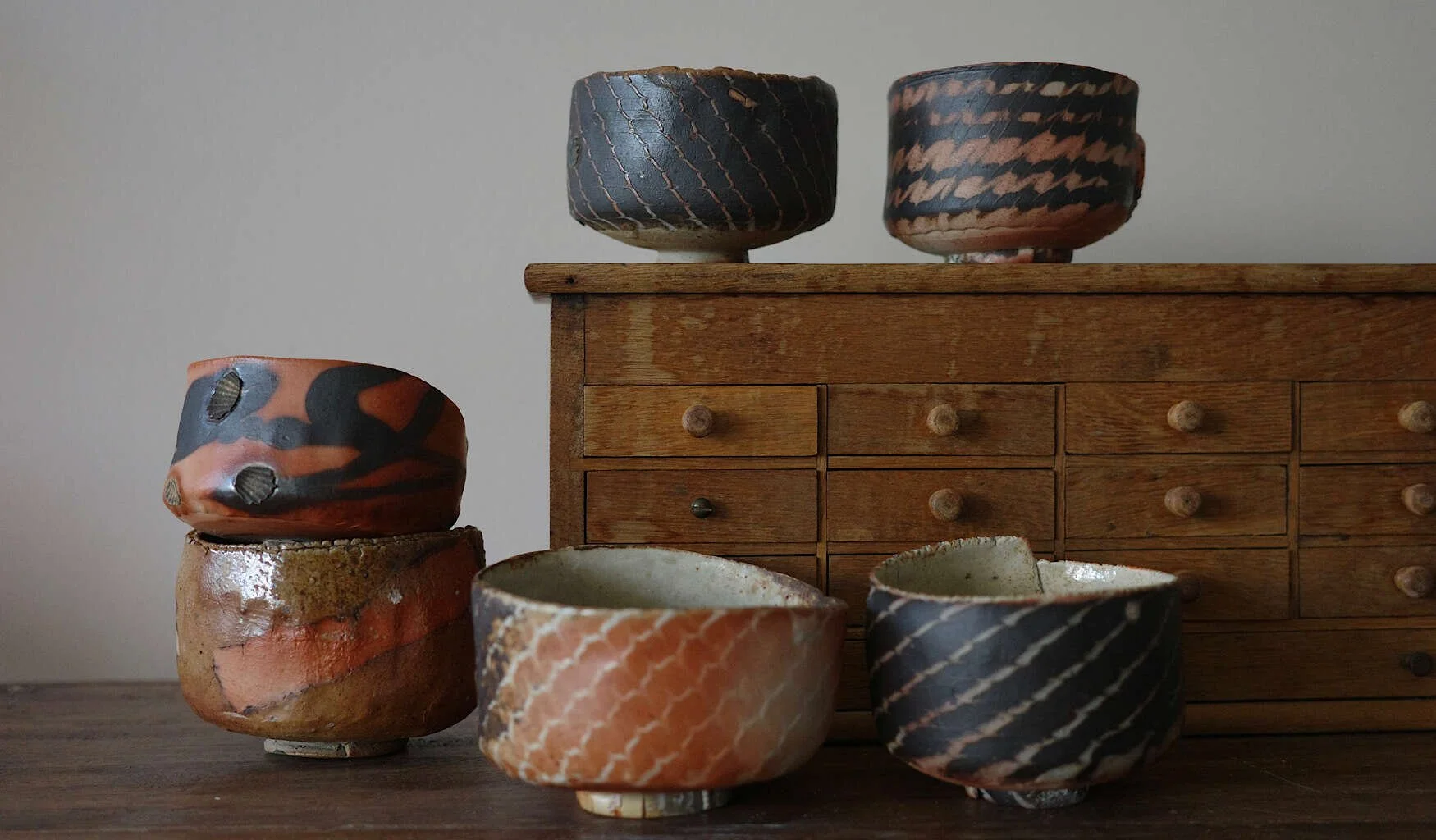
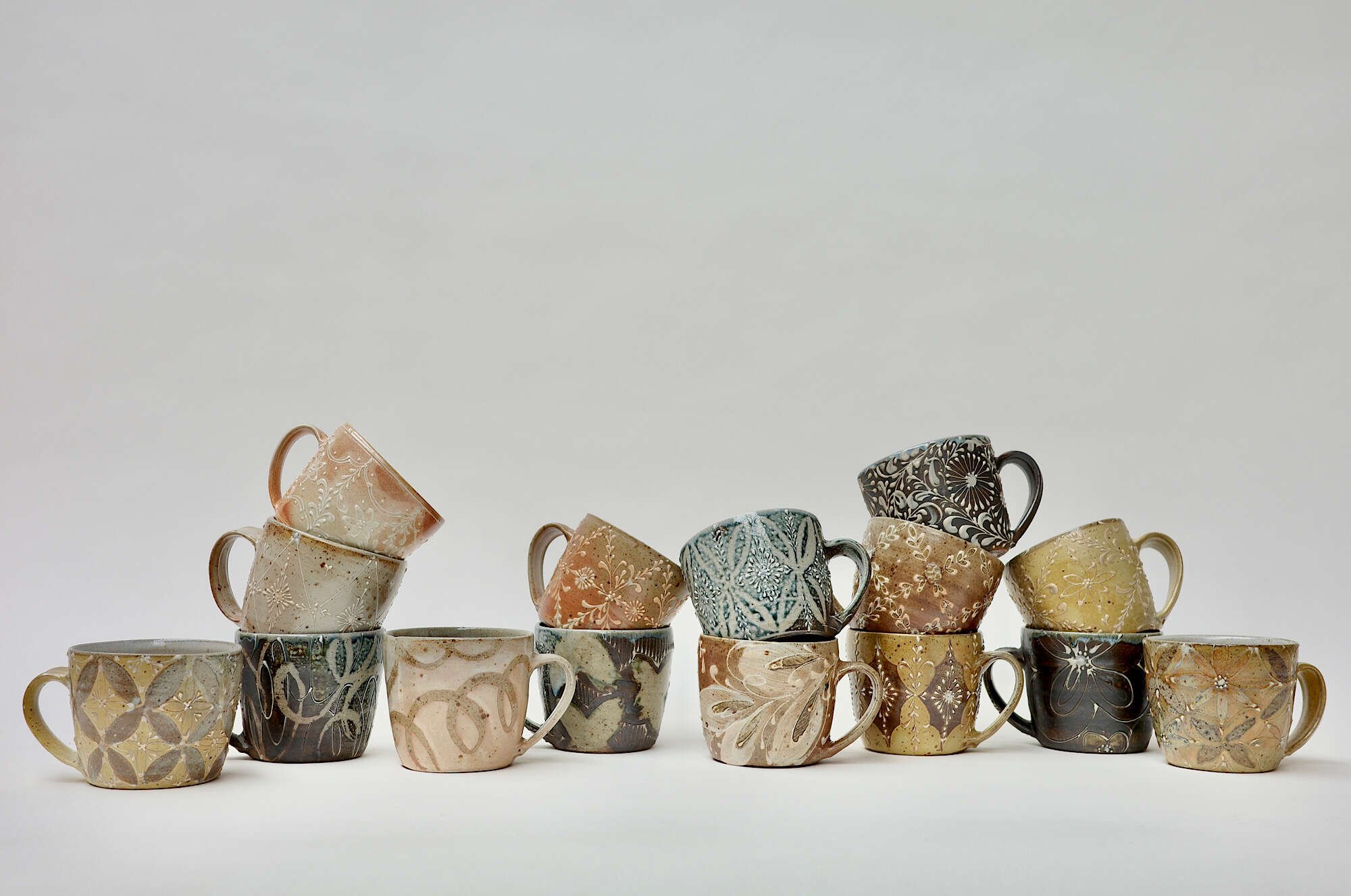
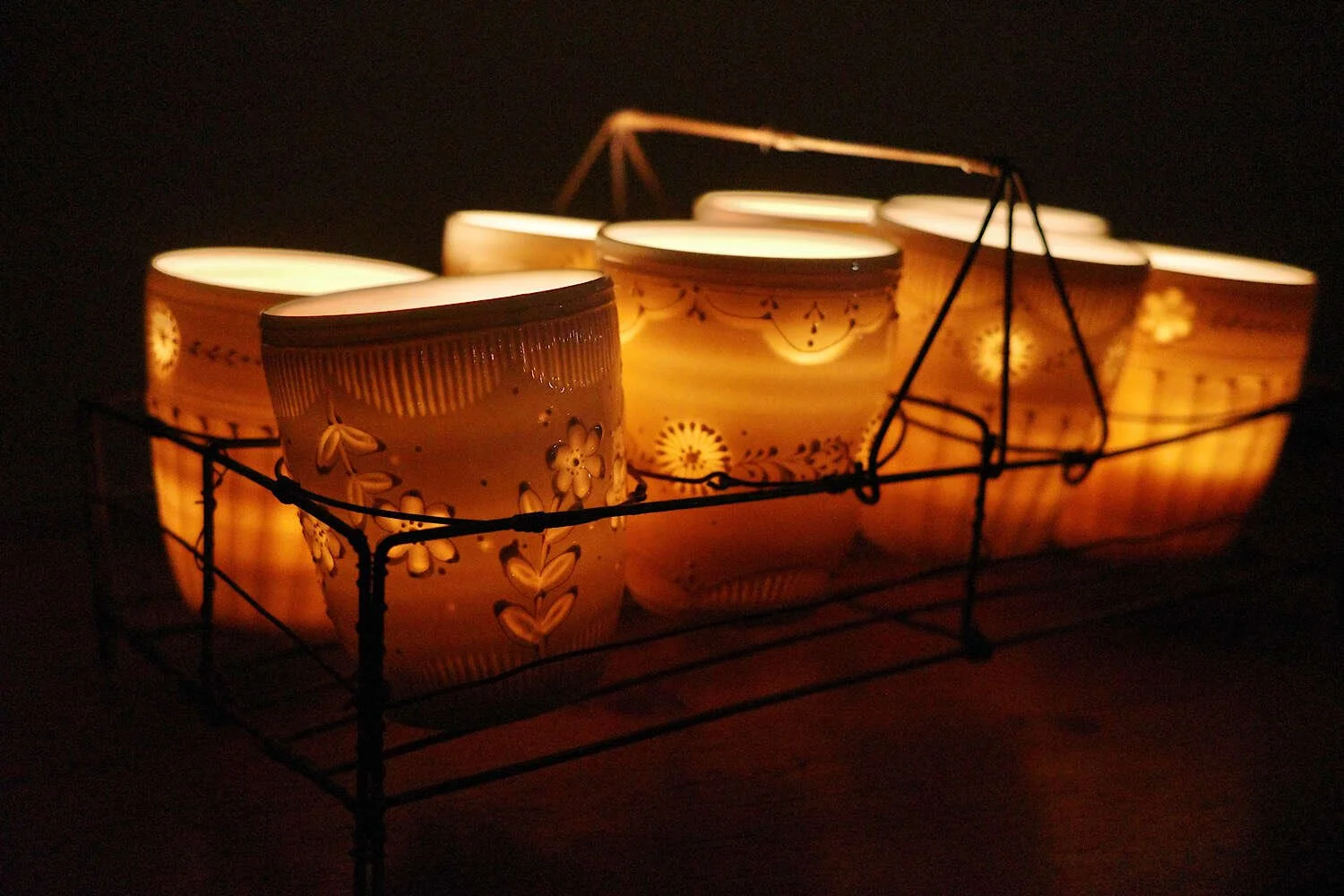
Chance led this Japanese artist to Germany and to the world of ceramics. After Keramikmarkt salt glazes at a Keramikmarkt , she fell in love with the technique and went on to complete an apprenticeship as a ceramist in Landshut. Since then, she has been eagerly exploring the possibilities of this technique, creating salt-glazed stoneware in a wood-fired kiln as well as fine porcelain. Let yourself be swept up in the excitement of salt-firing!
Ayaka Iwabu
K2 Studios
Rheinstraße 41
56203 Höhr-Grenzhausen
Germany
+49 (0) 15226631904
ayaka.ceramics@gmail.com
@ayaka_ceramics
Ayaka Iwabu's main areas of research, clearly explained:
The salt glaze is an approach glaze. While other glazes are applied before firing, the salt glaze is created during firing.
Glaze is a glass-like layer which, from a purely functional point of view, is mainly used to provide the porous shards underneath (term for a fired ceramic mass) with a waterproof, dense coating.
Engobe refers to a mixture of finely slurried clay liquefied with water, which is applied to raw or also bisqued ceramic workpieces for decoration.
In fossil fuel furnaces fired with oil, gas, wood, coal or coke, the fire occurs in an open flame and reducing atmosphere.
Thanks to its modern technology, the electrically powered kiln is a relatively safe firing method that can be used to fire at high temperatures.
Designation for a ceramic material made of feldspar, kaolin and quartz, with dense, light-coloured to white shards (term for a fired ceramic mass)
Designation for ceramics which, with or without glaze after the firing process above 1200° C, has a hard, solid and dense body (term for a fired ceramic mass).
The term "utility ceramics" is used in the context of the "International Ceramics Days Oldenburg" to refer to handmade ceramics which, no matter what form they take, are primarily geared to function.