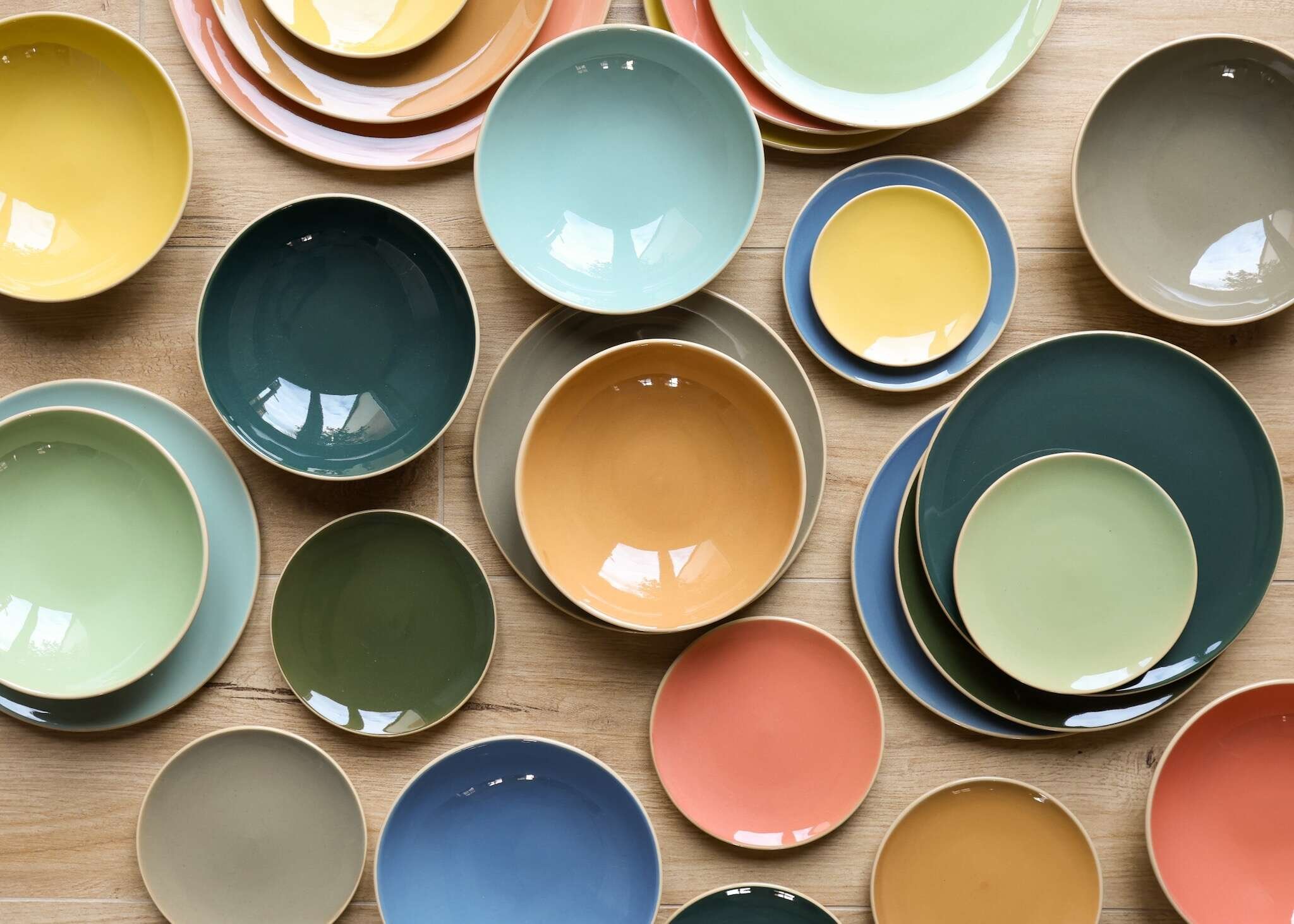
Not subject to fashion
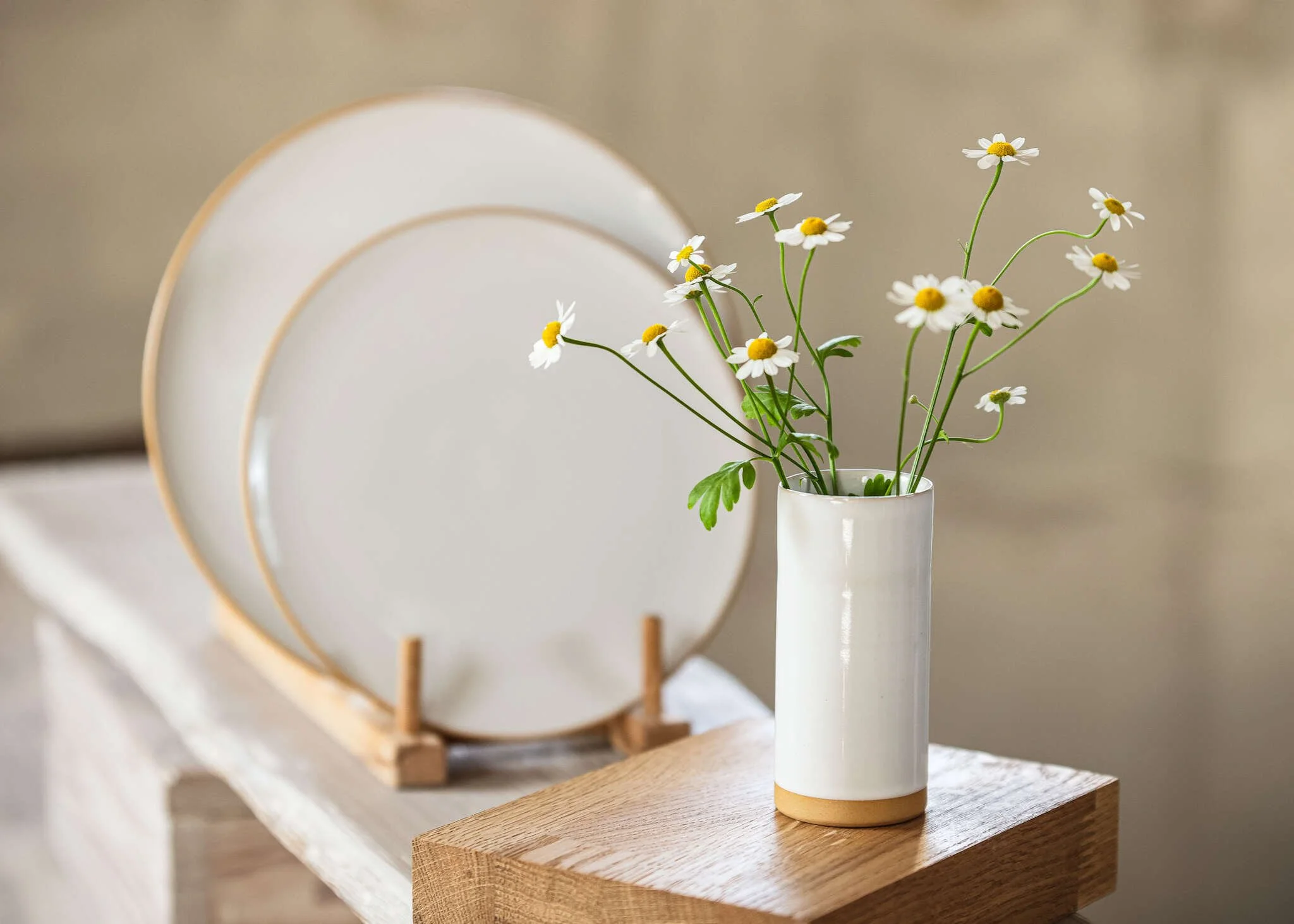
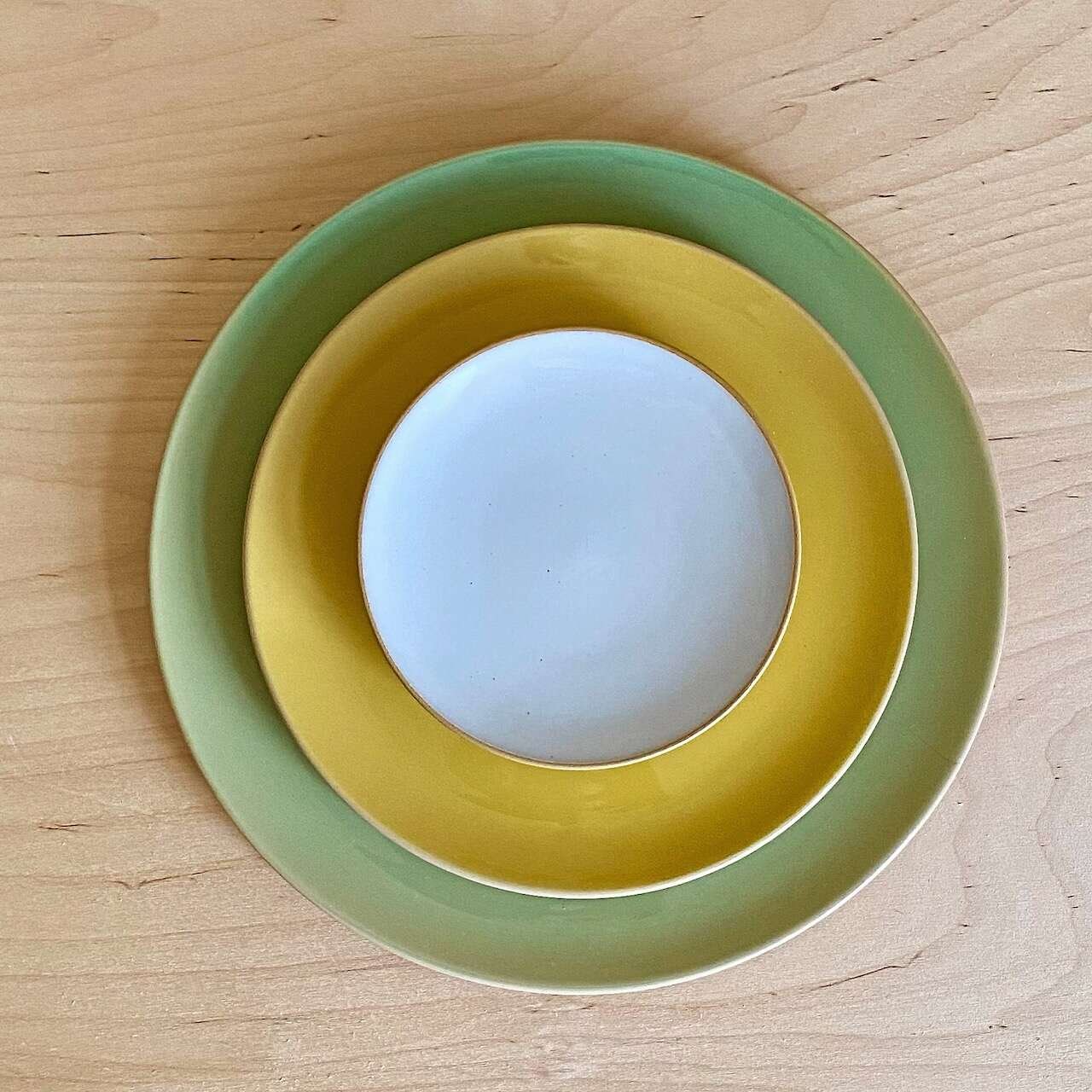
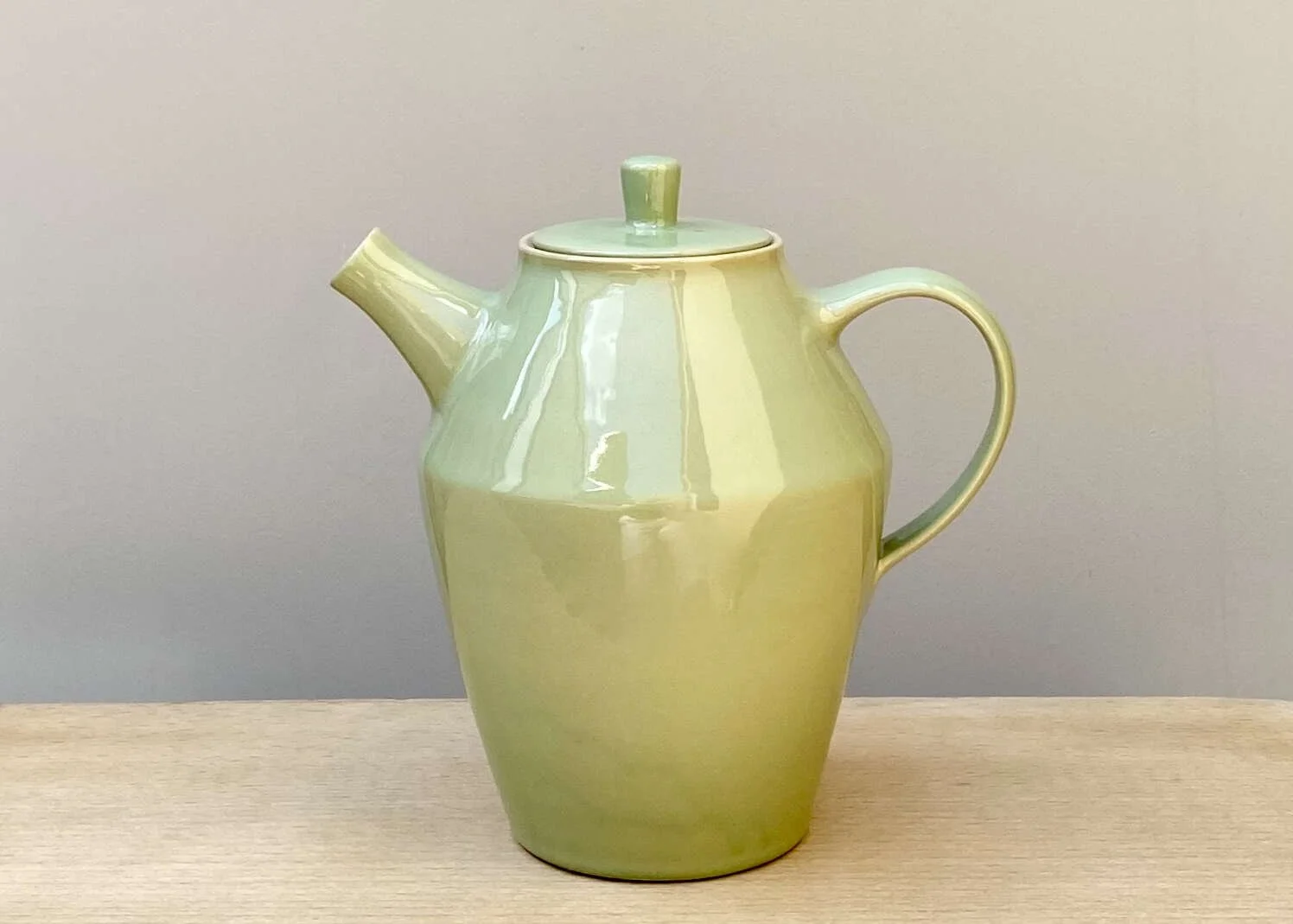
Sensitivity and artistry in dealing with the malleable material of clay was practically laid in Anne Reichmann-Knothe's cradle. Born into a long-established family of potters, supported and inspired by the traditions of the art of pottery, she has found her very own, modern style. Her clear, timeless ceramics are characterised by finely turned stoneware dishes in muted colours and reduced to their essential form and shape. Neat table decoration for every day.
Reichmann Pottery
Töpfergasse 24
07616 Bürgel
Germany
+49 (0) 36692 22267
post[at]toepferei-reichmann.de
www.toepferei-reichmann.de
@arkceramics
Anne Reichmann-Knothe's main areas of work well explained:
Glaze is a glass-like layer which, from a purely functional point of view, is mainly used to provide the porous shards underneath (term for a fired ceramic mass) with a waterproof, dense coating.
This genre of pottery was born out of a desire to copy the brilliant white porcelain that could not be made in Europe until the 18th century because of a lack of kaolin.
Engobe refers to a mixture of finely slurried clay liquefied with water, which is applied to raw or also bisqued ceramic workpieces for decoration.
Thanks to its modern technology, the electrically powered kiln is a relatively safe firing method that can be used to fire at high temperatures.
Designation for ceramics which, with or without glaze after the firing process above 1200° C, has a hard, solid and dense body (term for a fired ceramic mass).
In the context of the „Internationalen Keramiktage Oldenburg“ , the term "unique vessel" is associated with special, artistic vessels.
The term "utility ceramics" is used in the context of the "International Ceramics Days Oldenburg" to refer to handmade ceramics which, no matter what form they take, are primarily geared to function.