
Form Meets Surface
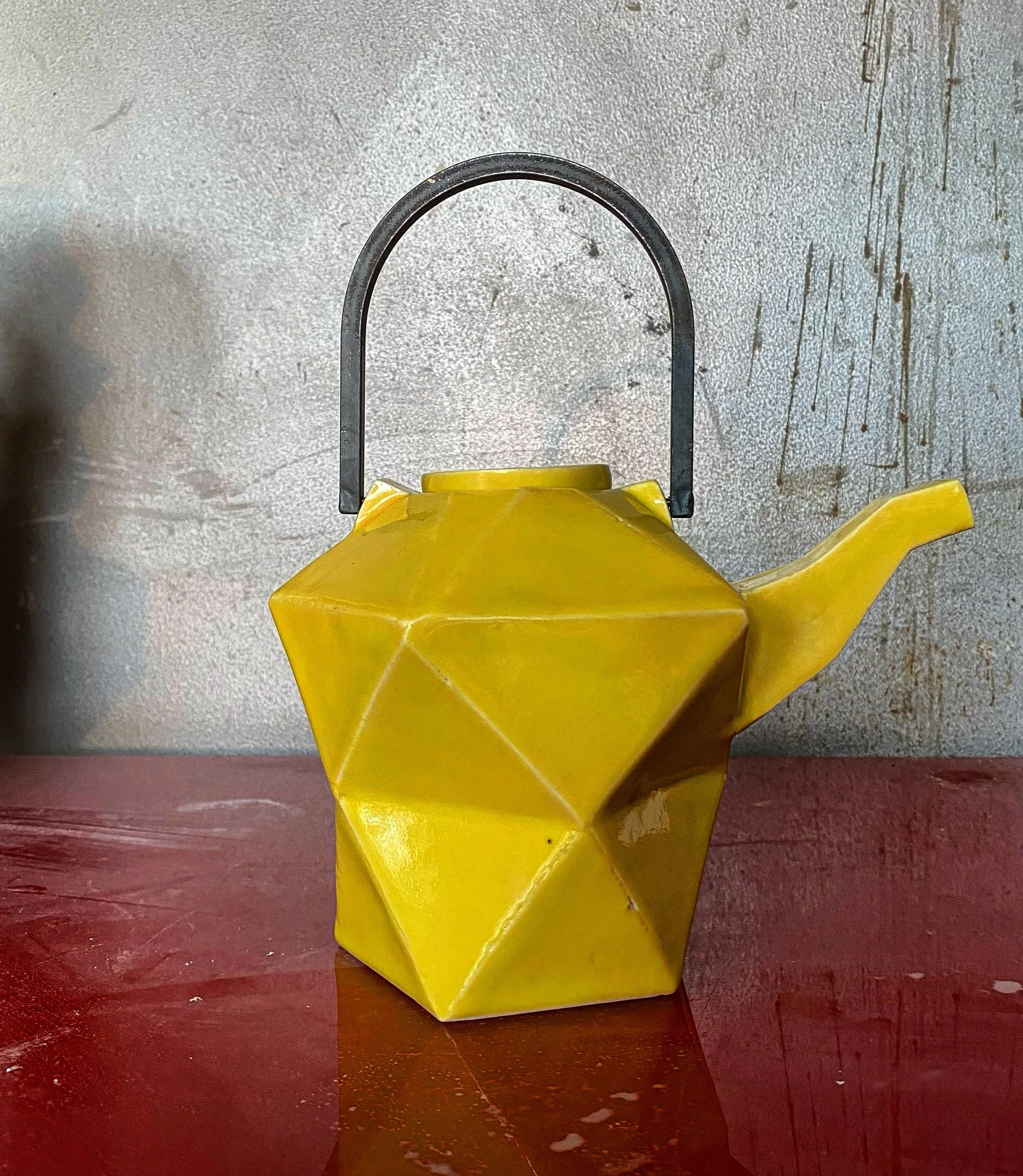
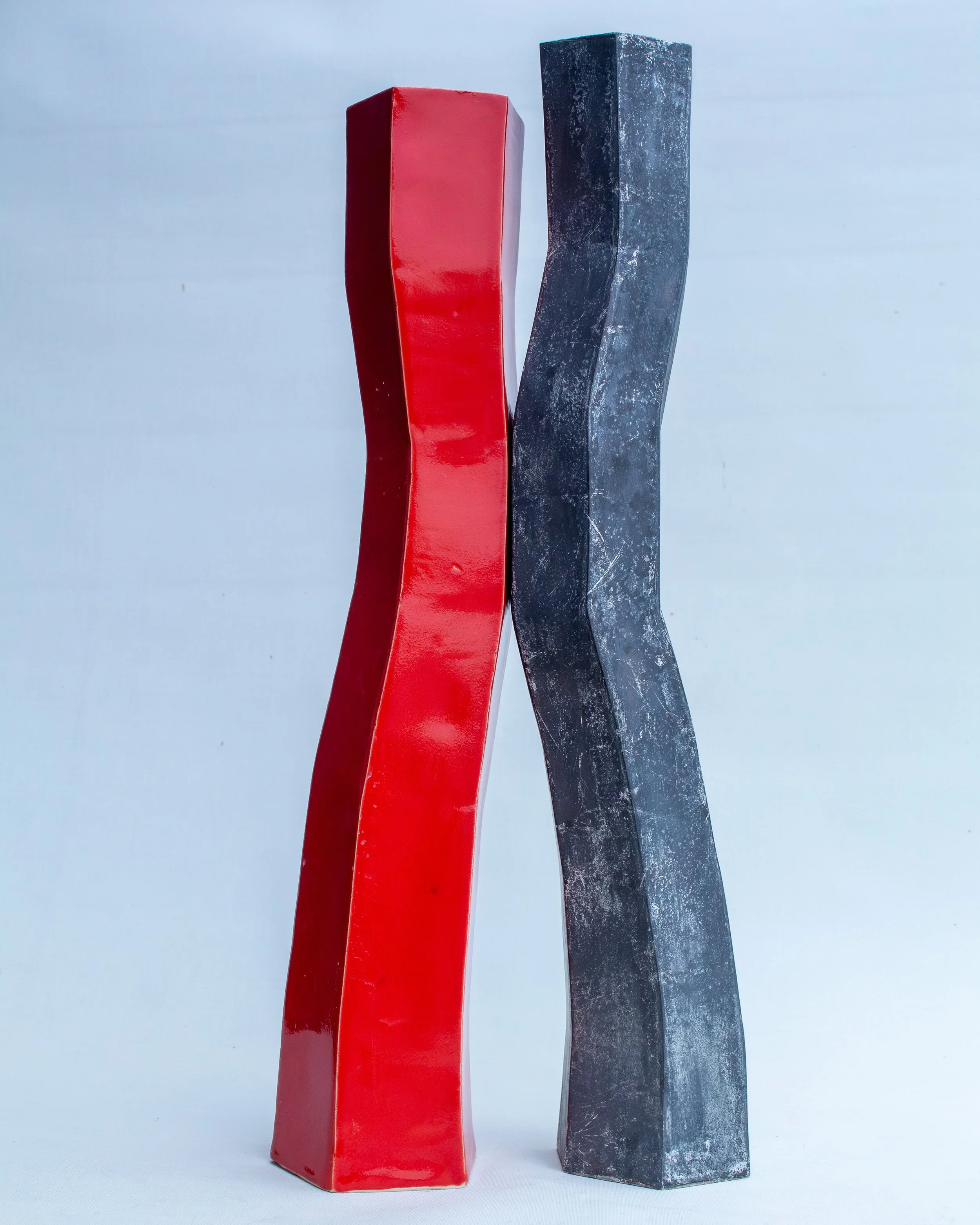
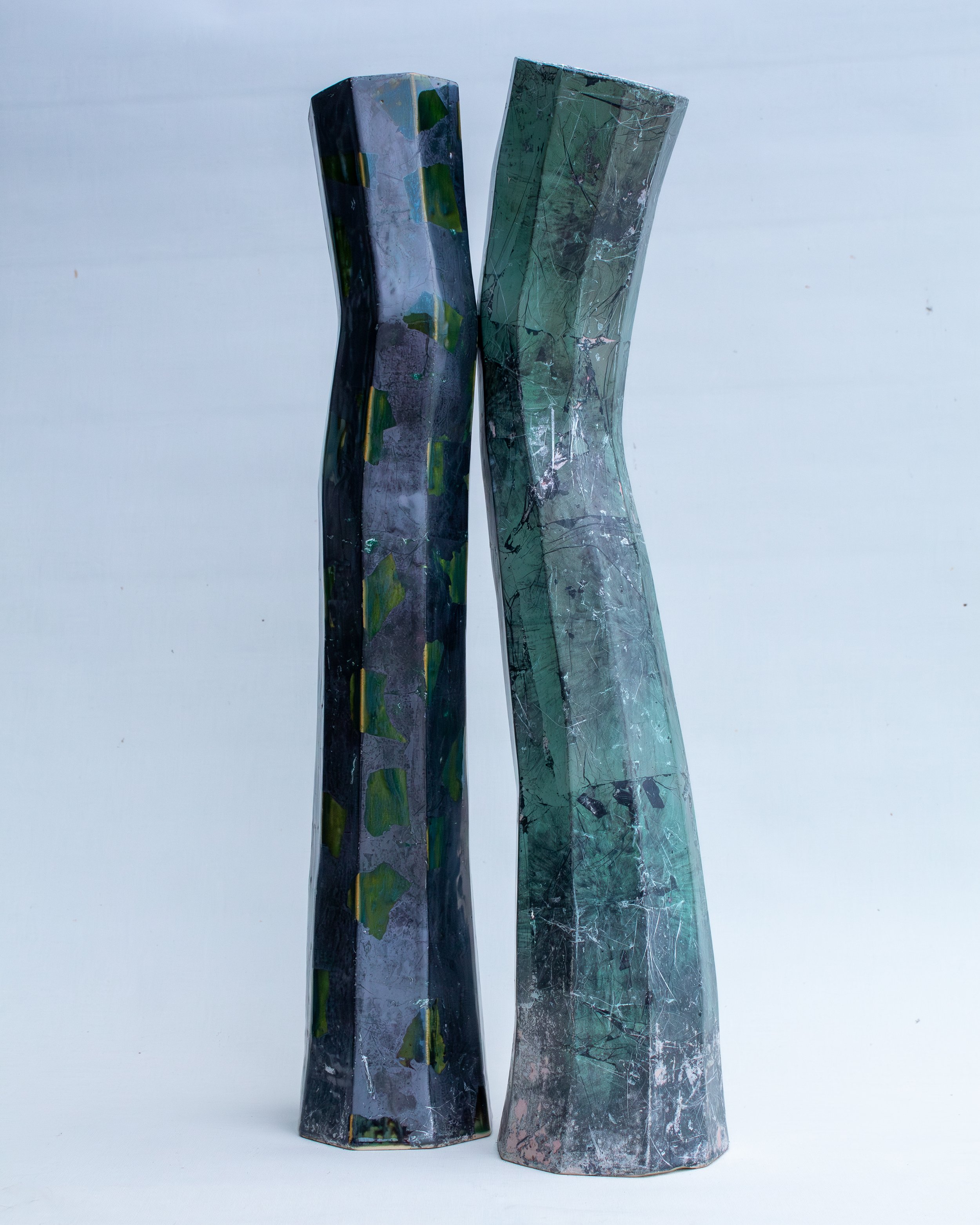
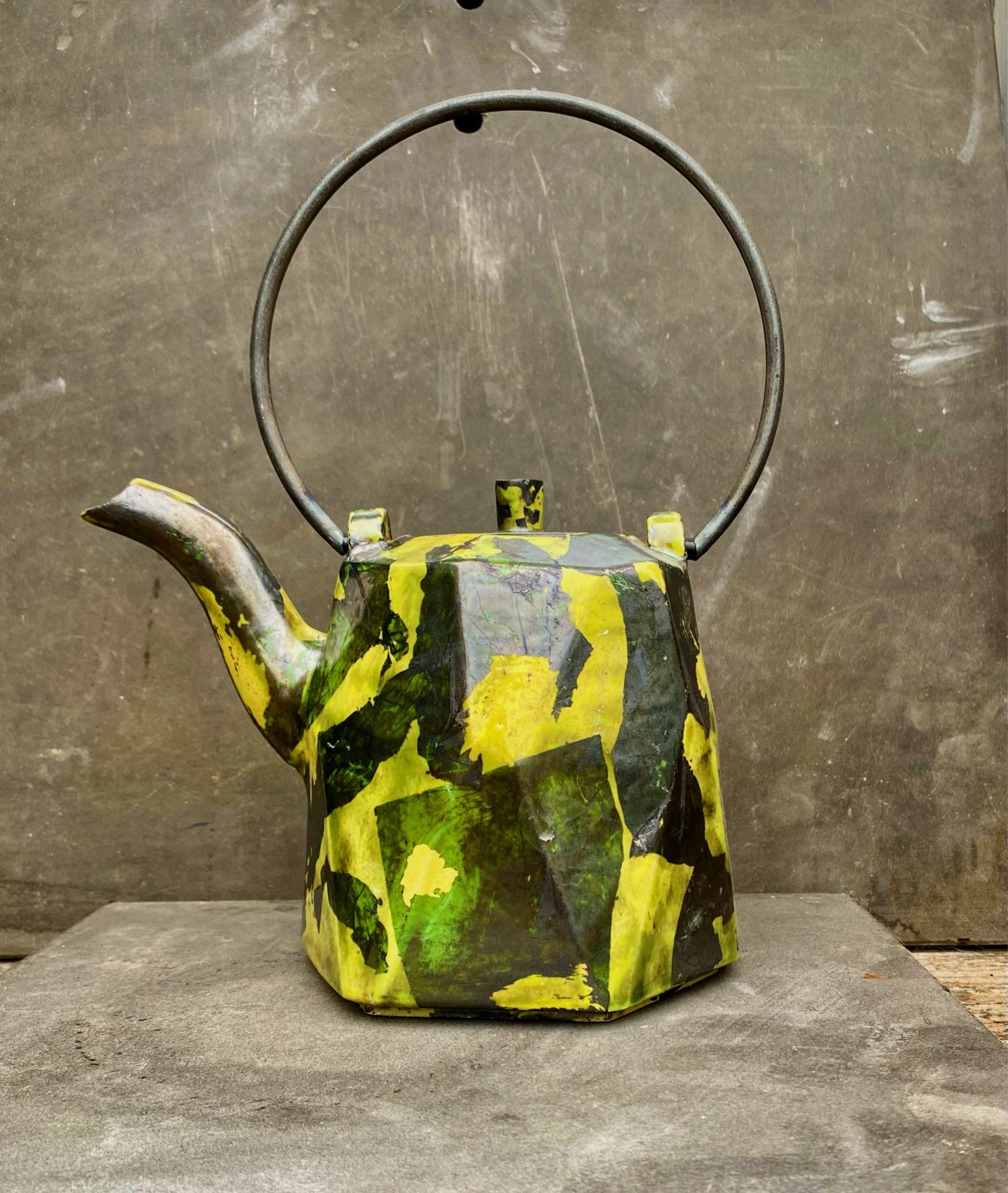
The interplay between form and surface lies at the heart of her work. Her pieces—primarily vases, mugs, and teapots—are characterized by rich relief textures and intricate ornamentation, composed of a wide variety of found objects and motifs. Recently, however, the form itself has once again taken center stage.
Be sure to check out Kati Jünger at this year’s Ceramic Artist Portrait—along with Claudia Kraml—on July 31 from 9:30 a.m. to 3:30 p.m. at the Werkschule. Registration: info@werkschule.de, course number: 8799.
Kati Jünger
Marienplatz 7
83410 Laufen
+49 (0) 8682 956678
kati.juenger[at]gmx.de
@katijuenger
Kati Jünger's areas of focus, clearly explained:
The salt glaze is an approach glaze. While other glazes are applied before firing, the salt glaze is created during firing.
Engobe refers to a mixture of finely slurried clay liquefied with water, which is applied to raw or also bisqued ceramic workpieces for decoration.
In fossil fuel furnaces fired with oil, gas, wood, coal or coke, the fire occurs in an open flame and reducing atmosphere.
Designation for ceramics which, with or without glaze after the firing process above 1200° C, has a hard, solid and dense body (term for a fired ceramic mass).
In the context of the „Internationalen Keramiktage Oldenburg“ , the term "unique vessel" is associated with special, artistic vessels.
The term "utility ceramics" is used in the context of the "International Ceramics Days Oldenburg" to refer to handmade ceramics which, no matter what form they take, are primarily geared to function.