
Unrestricted
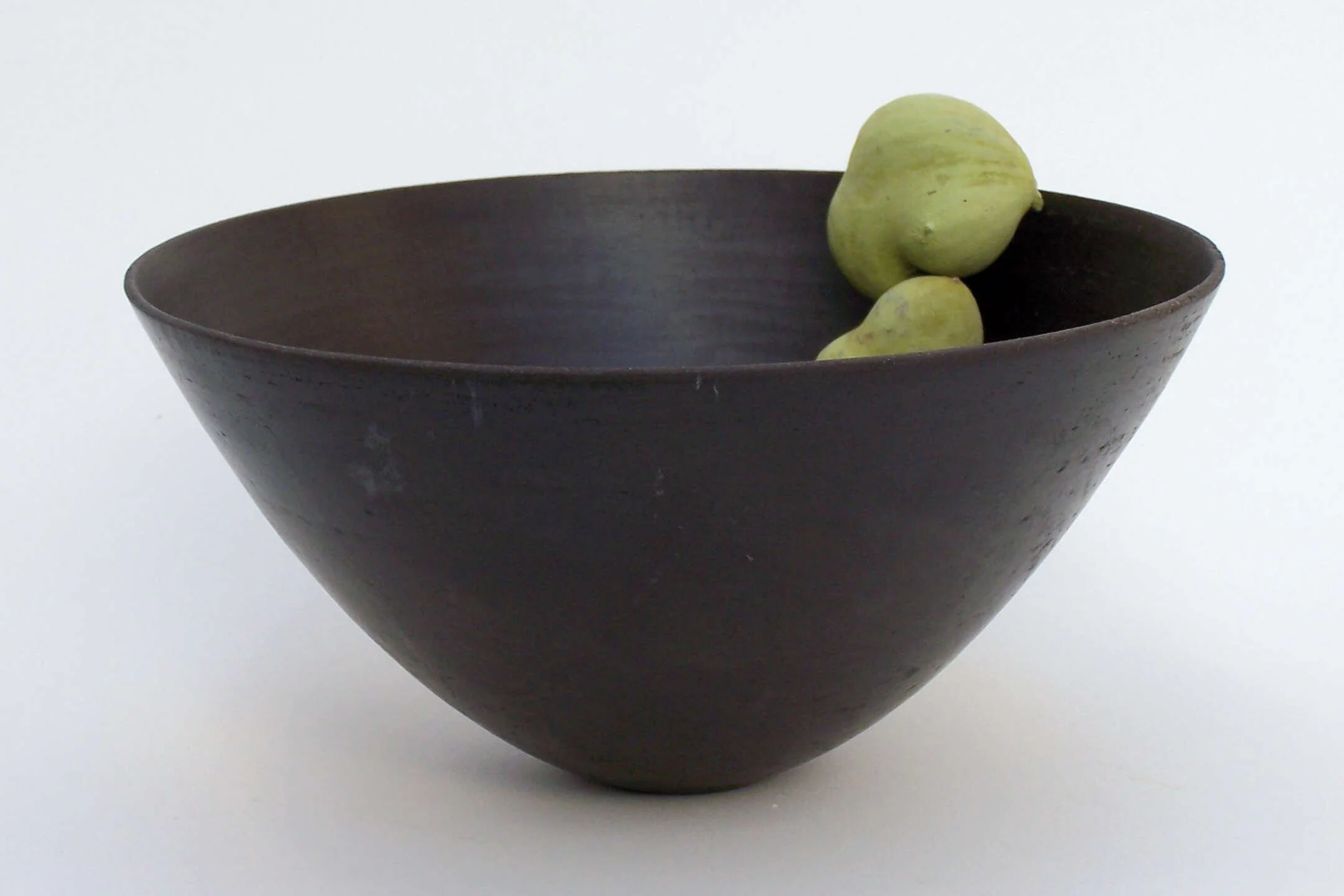
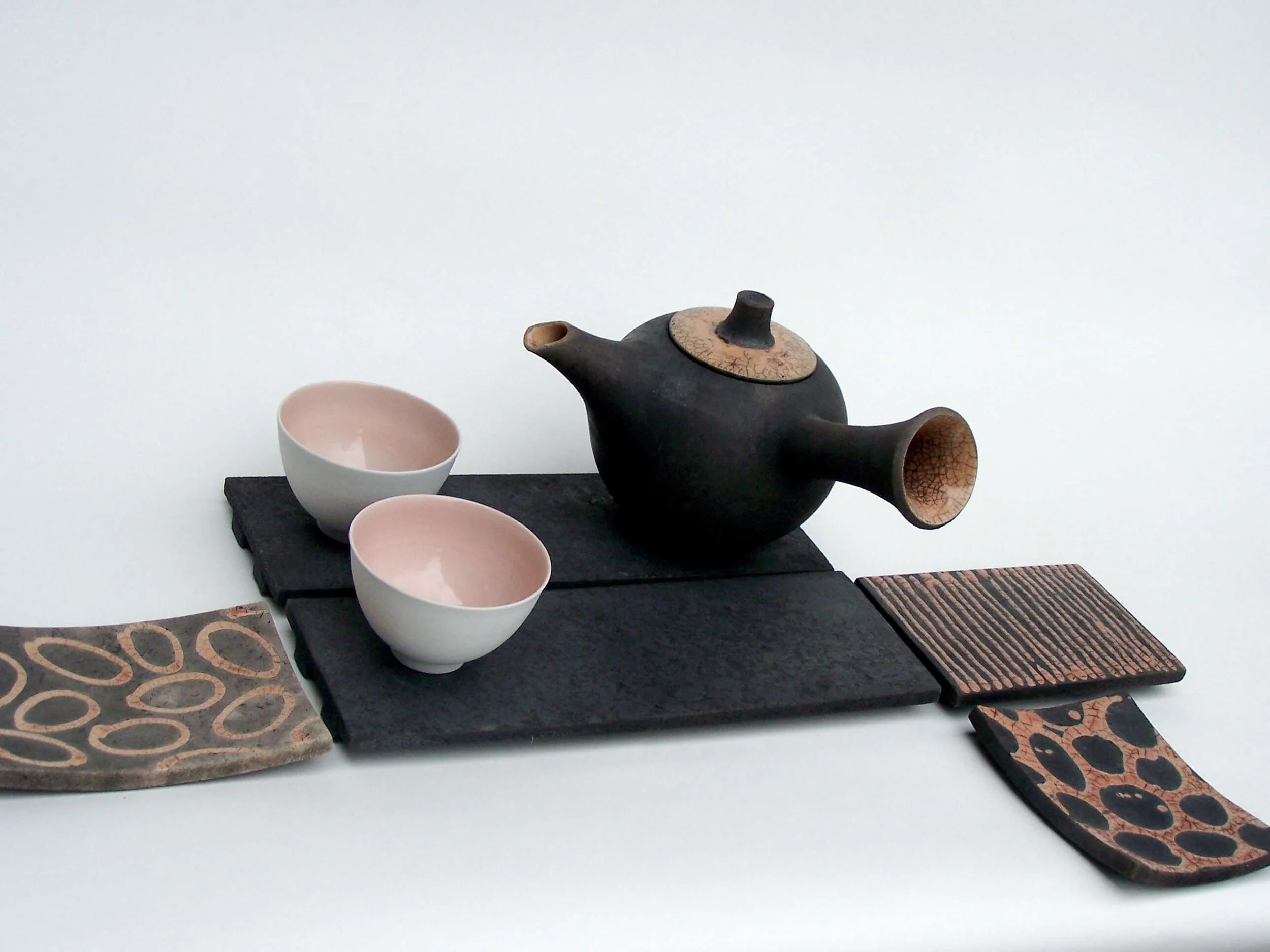
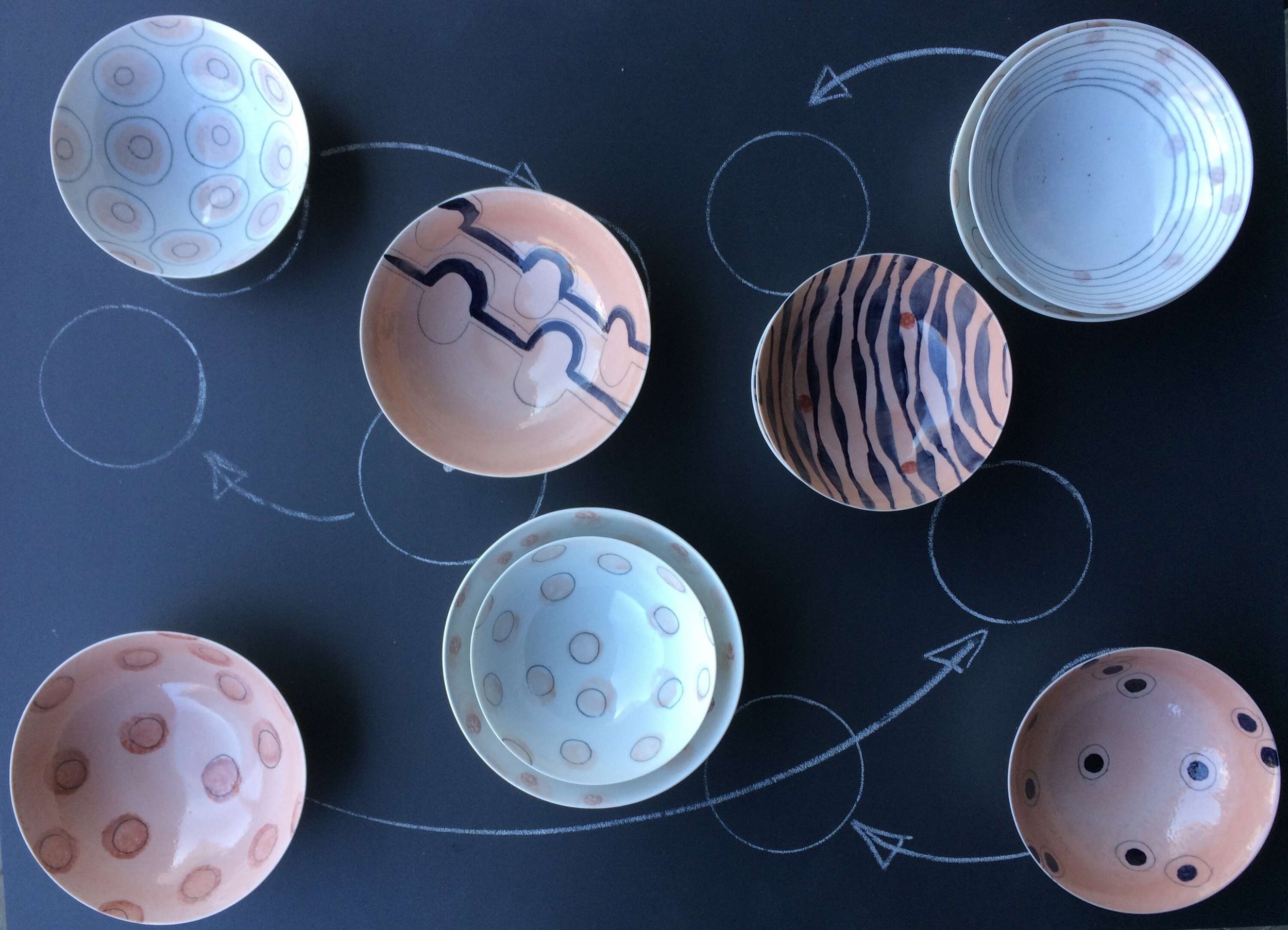
The vessel as a symbol of fullness or emptiness, with or without function: Christine Hitzblech is extremely keen to experiment with the wide range of possibilities offered by working with clay and porcelain. Vessels of all kinds are created on the potter's wheel as well as by hand-building or casting. She fires in raku, but is equally adept at reduction, paper kiln, salt and wood firing. Effects in wash-out, stamping and transfer techniques give each of her pieces an individual character.
Ceramics Christine Hitzblech
Siedlungstraße 28
76297 Stutensee
Germany
+49 (0) 7249 - 389584
Christine Hitzblech's work focus well explained:
Glaze is a glass-like layer which, from a purely functional point of view, is mainly used to provide the porous shards underneath (term for a fired ceramic mass) with a waterproof, dense coating.
In fossil fuel furnaces fired with oil, gas, wood, coal or coke, the fire occurs in an open flame and reducing atmosphere.
Raku is an old firing technique from Asia, in which the low fired (approx. 1000 °), bisqued and glazed ceramics are taken out of the kiln red-hot and cooled shock-like in natural materials like leaves or sawdust and then quenched in water.
Designation for a ceramic material made of feldspar, kaolin and quartz, with dense, light-coloured to white shards (term for a fired ceramic mass)
Designation for ceramics which, with or without glaze after the firing process above 1200° C, has a hard, solid and dense body (term for a fired ceramic mass).
In the context of the „Internationalen Keramiktage Oldenburg“ , the term "unique vessel" is associated with special, artistic vessels.
The term "utility ceramics" is used in the context of the "International Ceramics Days Oldenburg" to refer to handmade ceramics which, no matter what form they take, are primarily geared to function.